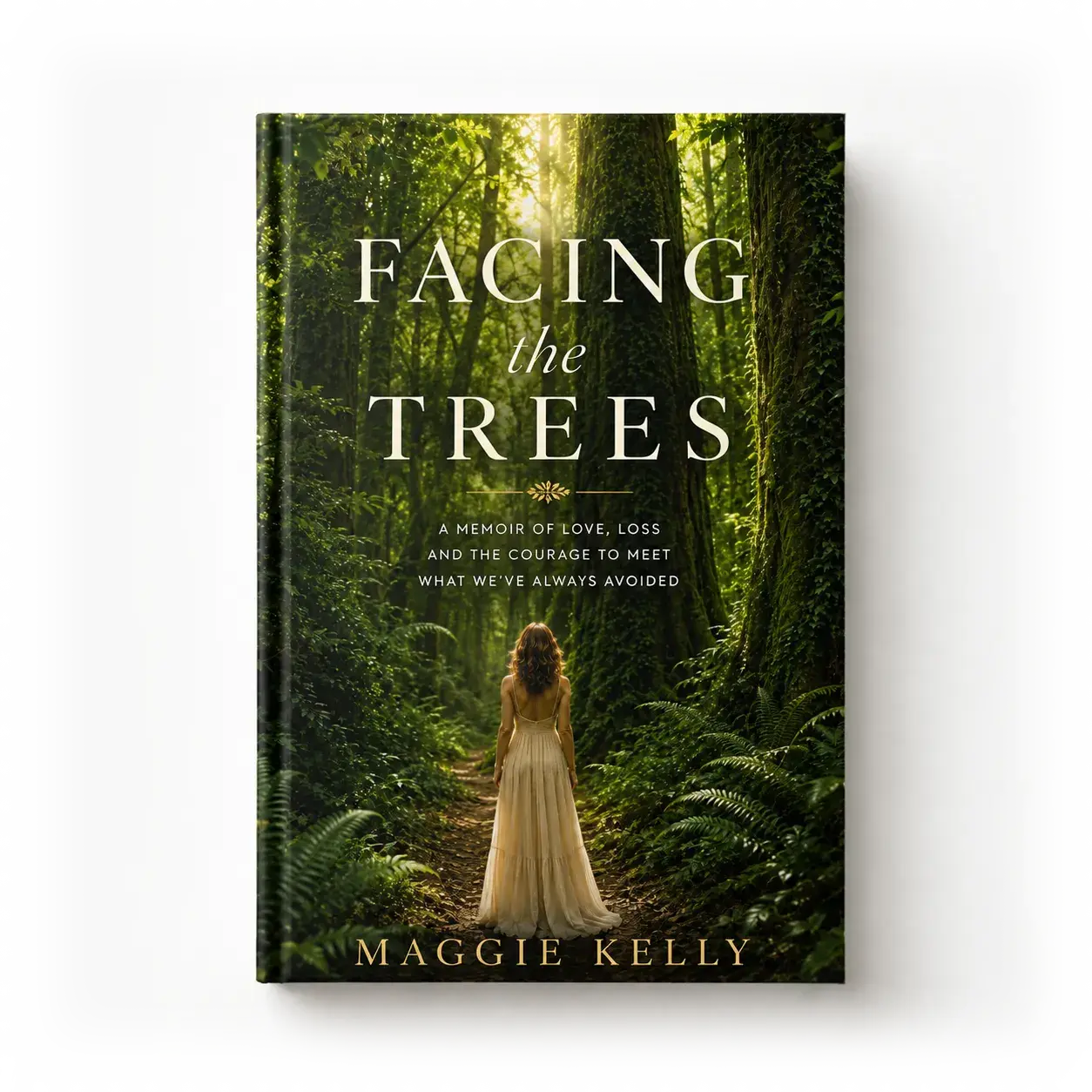
For years, I followed the path I thought was supposed to lead to a successful, fulfilling life. In my twenties and thirties, I worked in corporate America, traveled constantly, and lived under relentless stress. Later, I left that world to become a full-time mom, but even then, something still felt off. When my second daughter was born with Cystic Fibrosis, life stopped me in my tracks. I was overwhelmed, depleted, constantly worried about the future, and living in survival mode. That experience forced me to question the beliefs I had built my life around and ask a deeper question: if success, productivity, and control are not the answer, what is?
That question led me into years of meditation, mindfulness, contemplative psychotherapy, spiritual study, and deep personal work. Over time, I began to see that transformation is not about controlling every circumstance around me, but about understanding and changing the patterns, beliefs, and ways of being from which I operated my entire life. My daughter became one of my greatest teachers, showing me that freedom, meaning, and purpose were not waiting somewhere in the future. They had to be uncovered in the life I was already living no matter what the circumstances I was confronted with. That journey continues to shape the work I do today, helping others become more conscious of what is unconsciously driving them so they can live with greater presence, connection, meaning, intention and choice.




The seven-step framework begins with the understanding that relationship reveals what has been operating beneath the surface, including old wounds, unconscious beliefs, fears, attachment patterns, and survival strategies. Awareness allows us to recognize those patterns as they happen, while honesty asks us to stop minimizing, rationalizing, or looking away from what we already know. Readiness and willingness then determine whether we are open to staying with what has been revealed instead of immediately retreating into our familiar defenses.
From there, capacity and vulnerability become essential. They help us remain present with discomfort long enough for something new to become possible. Choice creates the opportunity to respond differently, even when the old reaction is still there, and repeated conscious choices begin to reshape how we relate to ourselves and others. Over time, what once felt automatic becomes more visible and interruptible, allowing transformation to move from something we understand intellectually into something we actually live.
Relationships act as mirrors, bringing unconscious beliefs, wounds, fears, protective strategies, and emotional patterns into awareness. What repeatedly gets activated in relationship can reveal patterns that were previously invisible.
Once a pattern is revealed, awareness allows you to recognize it, sometimes even in the very moment it is happening. What was once automatic becomes something you can observe and begin to understand.
Awareness becomes transformative when you are willing to be honest about what you see. This means facing what you already know without minimizing, denying, rationalizing, or explaining it away.
Understanding a pattern does not mean you are ready to change it. Transformation requires readiness, the internal timing to face what has been revealed, and willingness to remain open rather than turn away.
You need the capacity to stay present with what has been revealed and the vulnerability to actually feel and experience it. Without these, insight can remain intellectual rather than becoming embodied and lasting change.
Once you can see a pattern while it is happening and remain present with it, you have the opportunity to choose differently. Transformation becomes lived when you interrupt the automatic response and take a new action.
With continued awareness, presence, and conscious choice, what was once unconscious and automatic becomes integrated into how you live. Transformation is not returning to an upgraded version of your old self nor becoming someone else. It is embodying a more conscious way of being.